KinLenBox · GIFT PACKAGING
Bring your preferred texture, colour and finishing references into the conversation.

Coated paper, specialty paper, kraft paper, black cardstock, white cardstock and corrugated paper are starting points for your material brief. Final construction and finish are confirmed for the individual order.
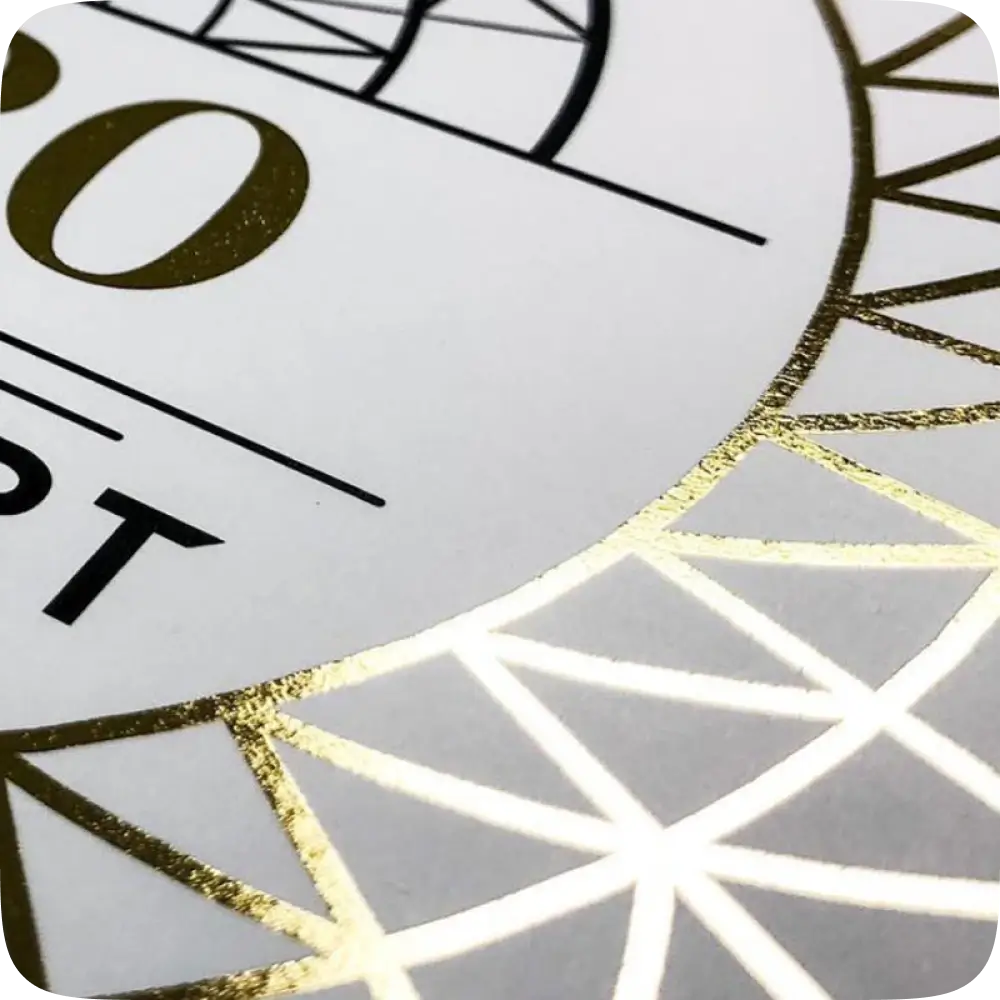
Metallic foil can add a reflective accent to lettering, borders or selected artwork. Use a reference to describe the effect you would like to discuss.
Discuss the foil colour, artwork size and placement alongside the paper texture and box structure. Fine details and large solid areas may need different preparation.
Ask whether the proposed combination is suitable for your project, and confirm availability, sample appearance, cost and timing before approving an order.

Holographic foil can create a changing, multicoloured reflection as the viewing angle changes. A reference image can help explain the intended visual effect.
Discuss the pattern, coverage and placement with your artwork and paper choice. Confirm whether the effect is available for your specification and review a sample before approval.
Aqueous coating is a water-based surface treatment used on some printed papers. Its appearance and suitability depend on the paper, printing and intended use.
Discuss the desired surface feel and protection, then ask which coating options are suitable for the proposed construction. Confirm compatibility, availability and sample results for the individual order.
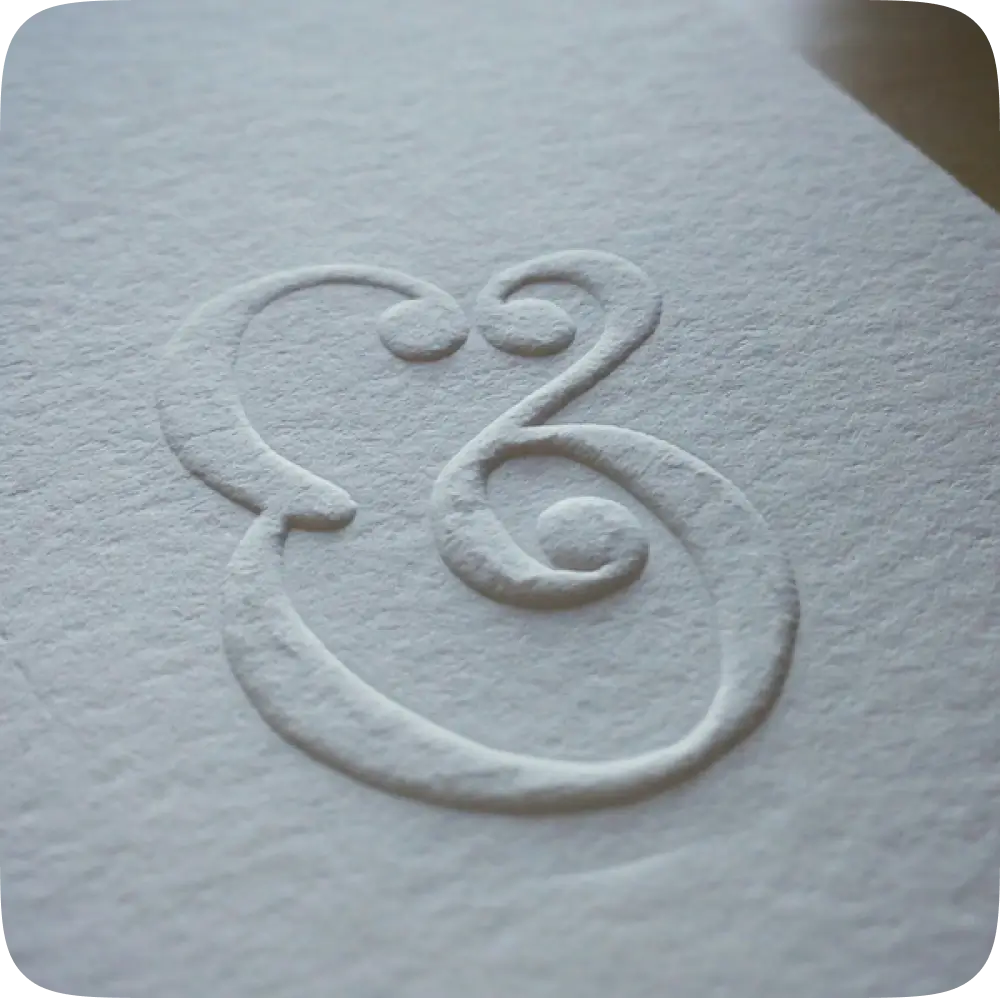
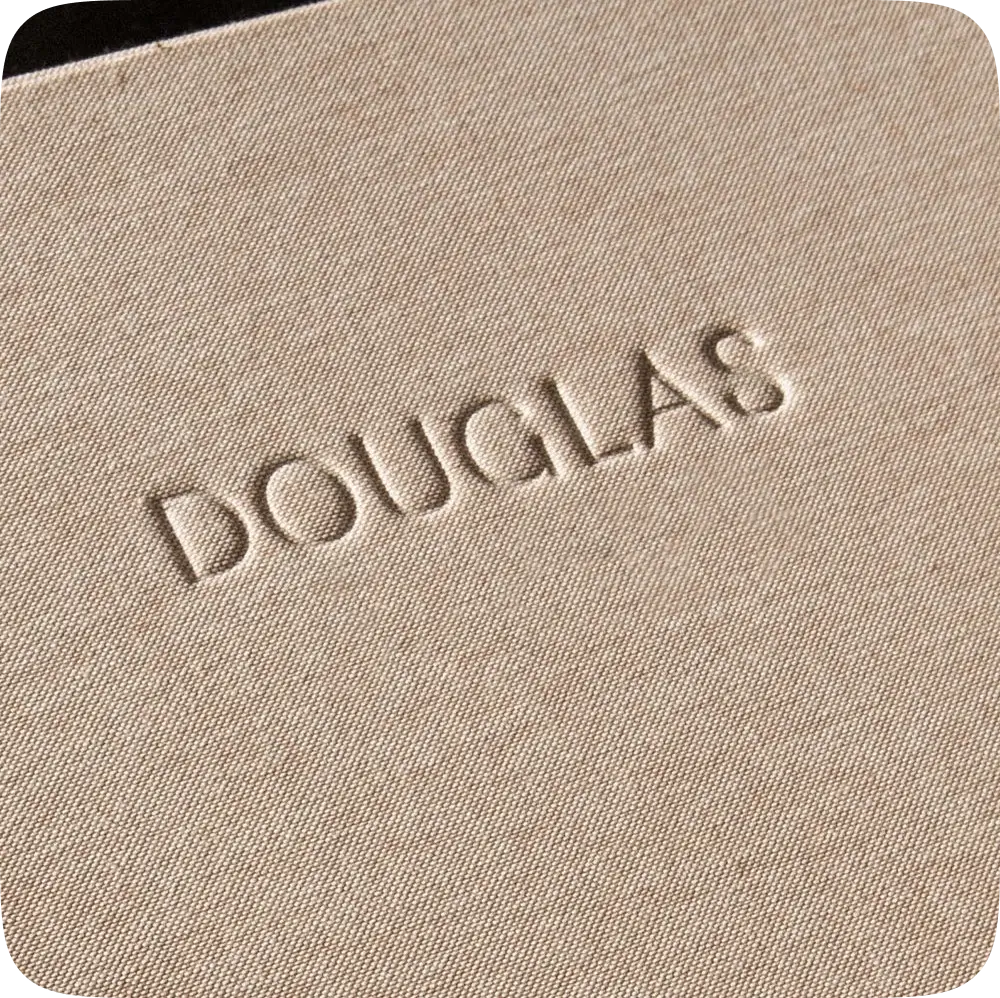
Embossing raises a design from the surrounding surface; debossing presses it into the surface. Either can be a reference point when discussing a tactile logo or pattern.
Discuss the paper thickness, texture, artwork detail and intended depth. These factors affect how clearly a raised or recessed design may appear.
A relief effect may be considered alone or alongside print or foil. Ask whether the proposed combination is suitable, including its effect on the reverse side and nearby folds.
Share a reference and the artwork dimensions. Confirm feasibility, tooling requirements, cost, sample appearance and timing before approving the specification.
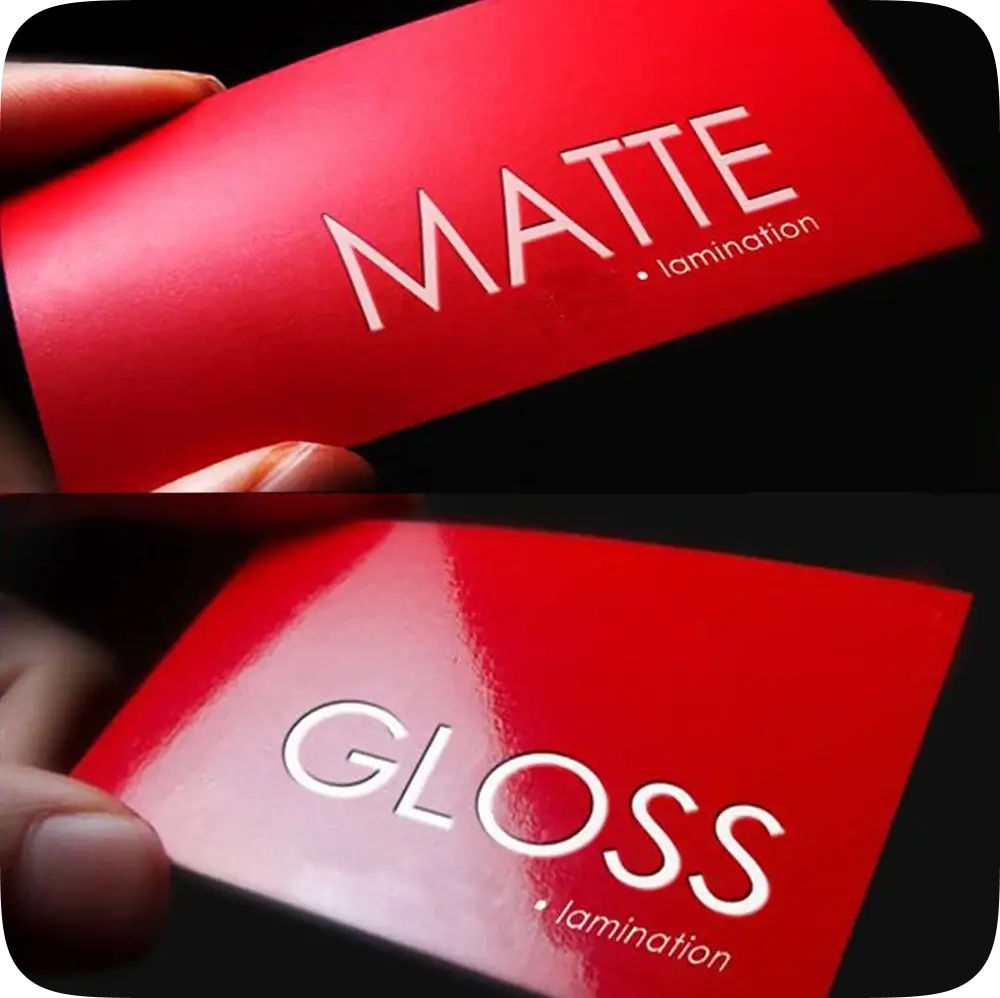
Gloss and matte lamination offer different surface appearances. Gloss tends to reflect more light, while matte gives a less reflective look; the result depends on the printed surface and film.
Discuss the desired appearance, handling and paper construction. Ask how the proposed lamination may affect colour, texture, folds and any additional finishing.
Confirm suitable options and their availability for the specific order. Review a sample rather than relying on a screen image to judge the final surface.
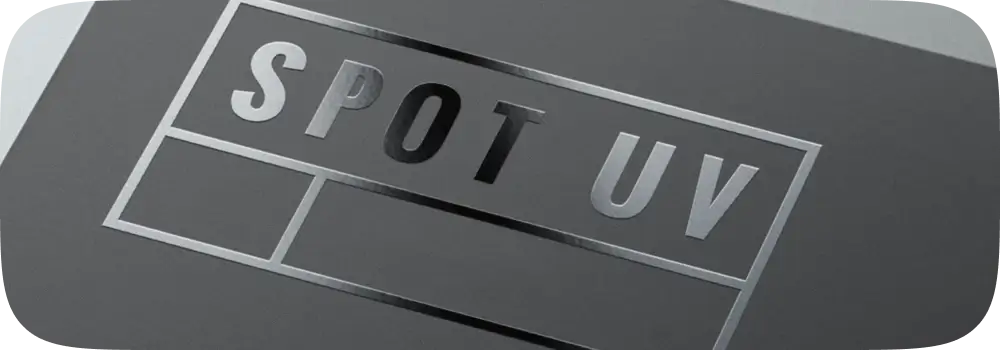
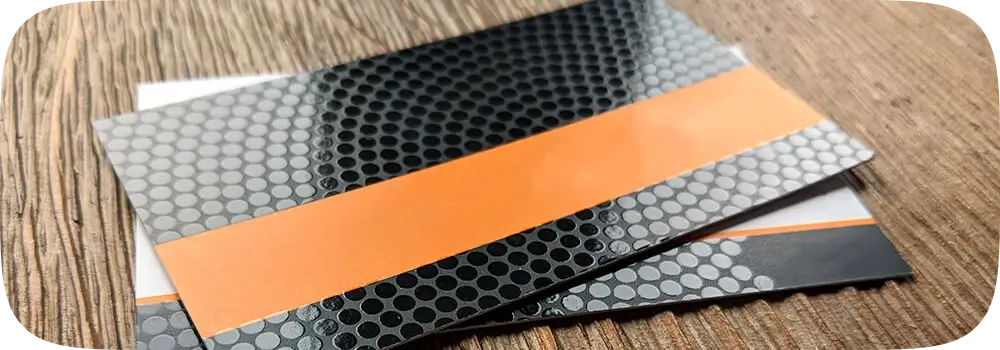
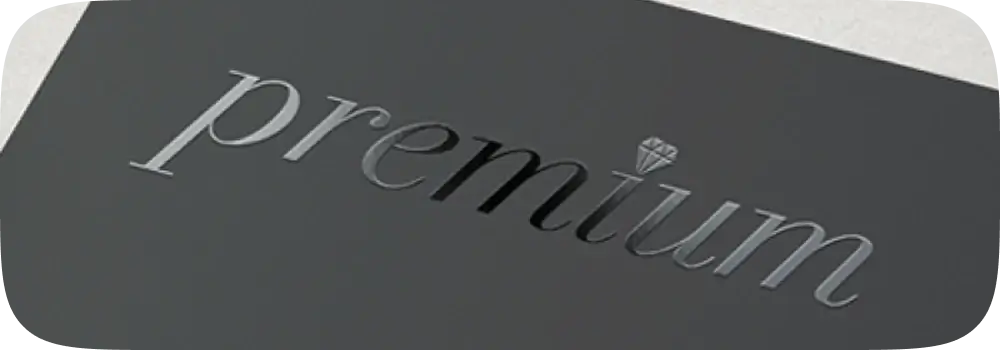
Spot UV is a term used for a coating applied to selected areas rather than the whole surface. It can be discussed as a way to contrast a logo or pattern with its surroundings.
Blind UV commonly describes an unprinted coating pattern whose visibility comes from the surface effect. Confirm the intended meaning with a reference when discussing the brief.
Discuss the artwork alignment, line detail, base paper and any lamination. The visibility and feel of the effect depend on that combination.
Ask whether the proposed effect is suitable and available for your specification. Confirm sample appearance, cost and timing before approval.
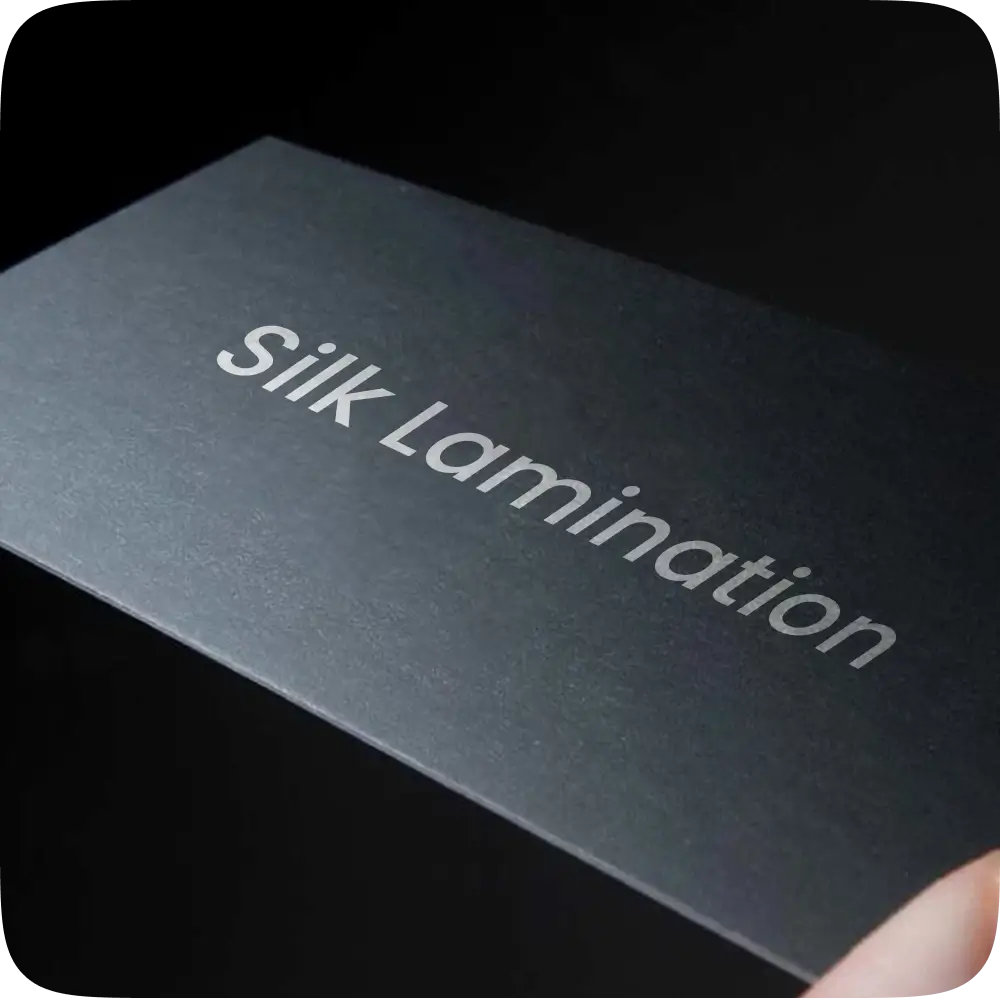
Silk lamination is a term used for certain smooth, low-sheen surface finishes. Suppliers may use the term differently, so a physical reference helps define the desired feel.
Discuss the surface texture, colour appearance and intended handling alongside the paper and print. Ask which material or process could suit the brief.
Confirm the finish's availability and suitability for your order, and review a sample before approval.
A practical guide to sizes, papers, artwork and order details.


 Quick Quote
 Order Inquiry


